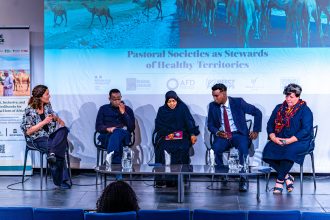
As delegates, scientists, researchers and heads of state gather in Yerevan, Armenia, for the seventeenth Conference of the Parties (COP 17), the discussions surrounding global climate change have taken on a noticeably holistic dimension. Beyond the policy white papers, emissions targets and technological breakthroughs debated in plenary halls, one of the themes in the second day of the summit turned its gaze toward an enduring pillar of human society: Faith-based organizations.
The central realization emerging from Yerevan is that science alone cannot resolve ecological degradation if it fails to touch the moral conviction of everyday citizens. Conservation requires an ethical compass, a sense of accountability and a shared vocabulary that speaks directly to people’s hearts. Faith-based groups are uniquely positioned at this critical intersection of theology, ethical responsibility and community action.
The Power of a Shared Language
A recurring theme among faith representatives at the summit is that environmental stewardship cannot remain an abstract scientific calculation. A communication specialist from Faith Based Oceans emphasized that protection efforts succeed only when advocates speak the same language as the communities they hope to mobilize. When technical warnings are translated into values of care, reverence and ethical duty, passive audiences become active custodians of their local ecosystems.
This sentiment was reinforced by both Christian and Muslim speakers during the sessions. Drawing on biblical narratives, trainers highlighted how water has consistently served as a sacred element and a sanctified space throughout scripture, emphasizing that degrading natural sources dishonours the very provisions humanity was entrusted to guard. A Muslim representative echoed this call to practical stewardship, pointing out that environmental responsibility in Islam is fundamentally action-oriented. True devotion demands tangible steps that include reducing household and community waste, making conscious lifestyle choices and educating the grassroots on preservation.
Sacred Sanctuaries: Where Faith and Nature Intersect
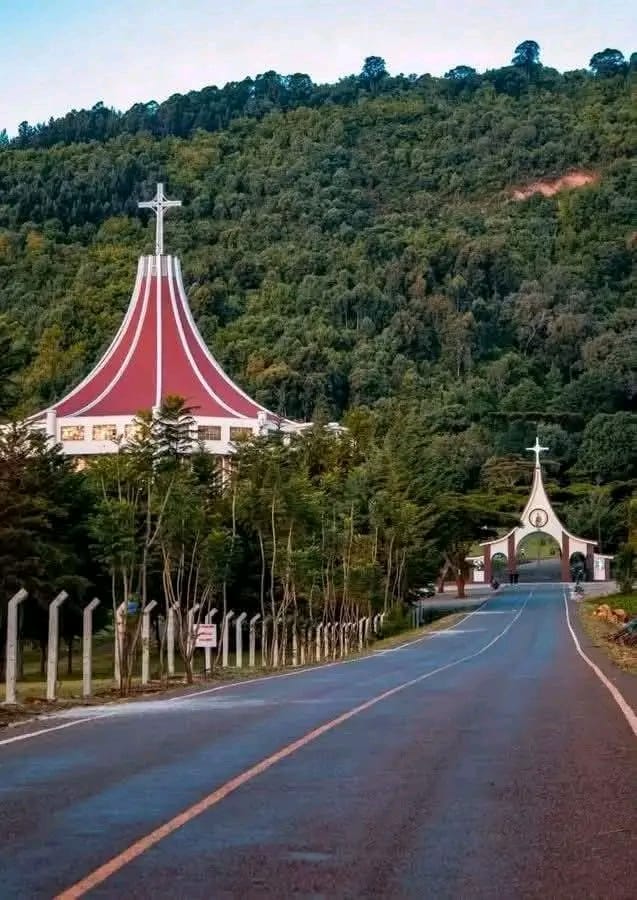
The deep reverence people hold for natural landscapes is nowhere more evident than in sacred natural sites across the world, such as Kenya’s revered spiritual shrines. Across East Africa, thousands regularly make pilgrimages to sacred geological formations, springs and forests, seeking divine intervention and renewal.
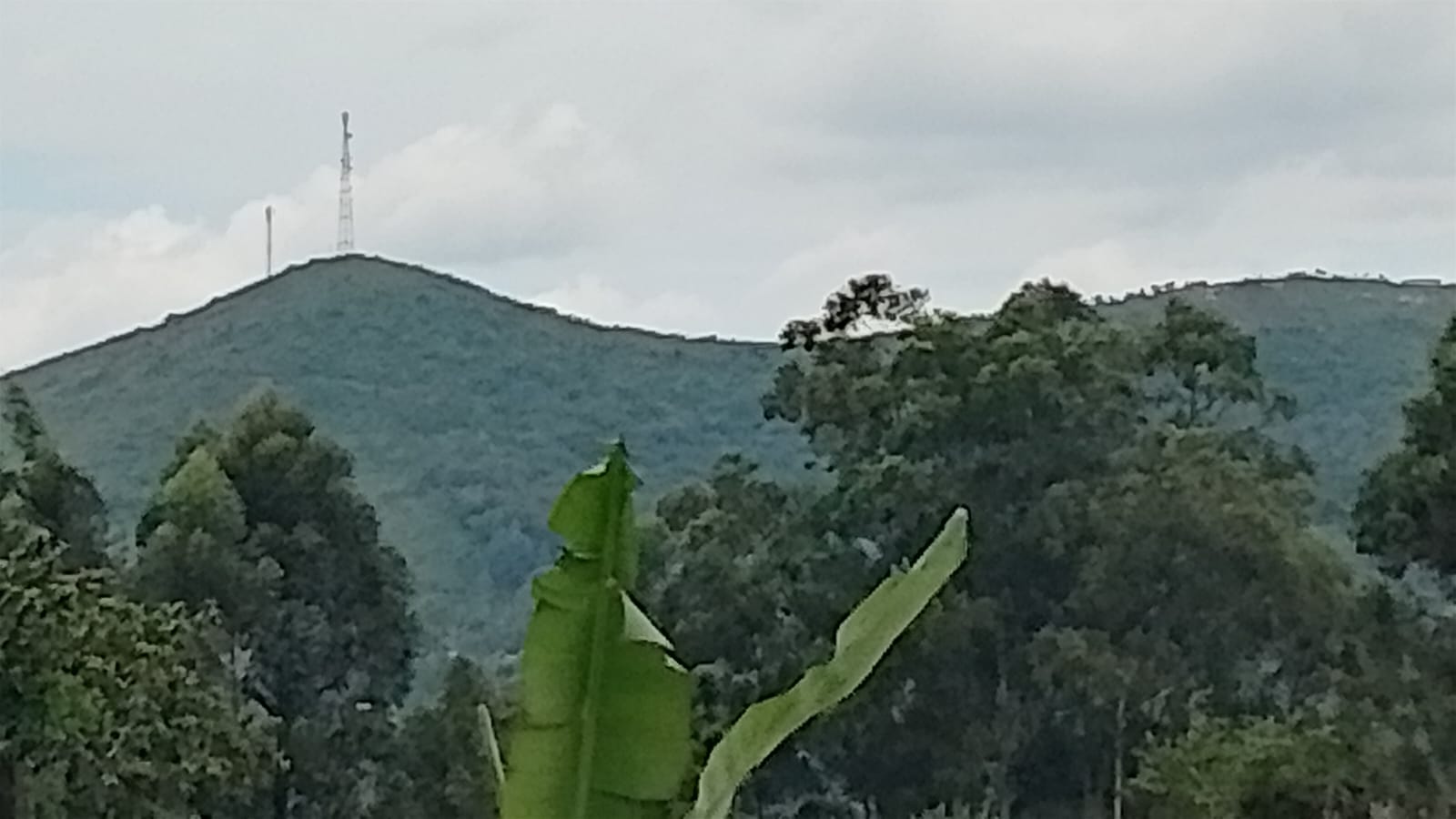
At the Misango Hills shrines, popularly known as Prayer Centre Khupoa in Kakamega County, believers climb into the elevated, quiet sanctuary rising roughly 300 metres to commune with God in prayer.
“We are yet to fully tap Khupoa to make it a structured eco-pilgrimage and tourist site,” notes Silvanous Omurunga, Chairperson of the Misango Hills Association. “Developing it properly will not only generate sustainable income for our local community, but it will also ensure we protect the natural sanctuary from degradation through continuous environmental stewardship.”
Similarly, at the Heaven’s Gate Prayer Centre in Nakuru County, believers retreat for quiet reflection and uninterrupted time with their Maker.
“Every year, I make the journey here to seek God’s face, and every single time, I leave with my prayers answered and my spirit renewed,” explains Ruth Nekesa, a believer from Lurambi Sub-County in Kakamega. “Being in this clean, serene natural environment draws us closer to our Creator. It reminds us that safeguarding these grounds is not just the government’s job, but an individual and collective moral responsibility.”
At the Ingolomosio shrine nestled near the rainforest canopy in Kakamega, nature and the divine intertwine just as seamlessly. In these sacred spaces, pilgrims do not just offer spoken petitions; they draw close to natural springs, reverently touching the cool waters with deep conviction. They emerge feeling spiritually cleansed, renewed and assured that their prayers have been answered.
When landscapes and rivers carry such profound spiritual significance, an unpolluted forest or an undisturbed spring is not merely an environmental asset; it is holy ground. Protecting these sites from deforestation, siltation and plastic pollution becomes an act of worship and preservation rather than an enforced legal requirement.
Bridging Faith, Science and Local Action
The takeaway from the faith-based deliberations in Yerevan, Armenia, is that conservation cannot thrive in a vacuum of high-level treaties. Inter-faith dialogues and partnerships between religious bodies, scientists and local leadership must form the bedrock of grassroots climate strategy.
Faith-based organizations possess unmatched reach, regularly convening millions across every social stratum. By integrating ecological literacy into weekly sermons, madrasas and youth ministries, they build connections that extend far beyond personal spiritual growth. They foster communities that clean riverbeds, restore degraded hillsides and hold local institutions accountable.
As the COP 17 summit continues in Yerevan, the message from the faith panel remains unambiguous: combating climate change is not merely an engineering or economic challenge, but a deeply human and moral calling. By placing faith organizations at the forefront of the conservation narrative, global climate leaders can finally anchor enduring environmental solutions in the values, beliefs, and living waters that communities cherish most.
This story was produced as part of the 2026 CBD COP17 Fellowship, operated by Informed Earth in collaboration with Internews’ Earth Journalism Network.