A rapidly intensifying El Niño weather phenomenon in the Pacific Ocean is raising global concern, with scientists warning that it could significantly alter rainfall patterns, temperatures and food production across many parts of the world.
International and regional meteorological agencies have issued urgent alerts over the 2026 El Niño, saying it is strengthening quickly and has the potential to become one of the most powerful events recorded in recent history.
According to Dr. Richard Muita, a meteorologist at the Kenya Meteorological Department, El Niño affects different regions in different ways.
“El Niño is associated with increased rainfall in many parts of the world. However, some regions experience drought during the same period,” he explains.
The World Meteorological Organization –WMO has warned that the current El Niño is expected to trigger extreme weather events including heatwaves, droughts and heavy rainfall through the end of 2026 and into early 2027.
Agriculture, a key pillar of food security in many countries, is expected to be among the sectors most affected.
Dr. Muita says excessive rainfall can damage several important food crops, particularly seasonal crops such as maize, rice and cassava. While forests are generally more resilient to heavy rains, many staple crops are highly vulnerable to prolonged wet conditions.
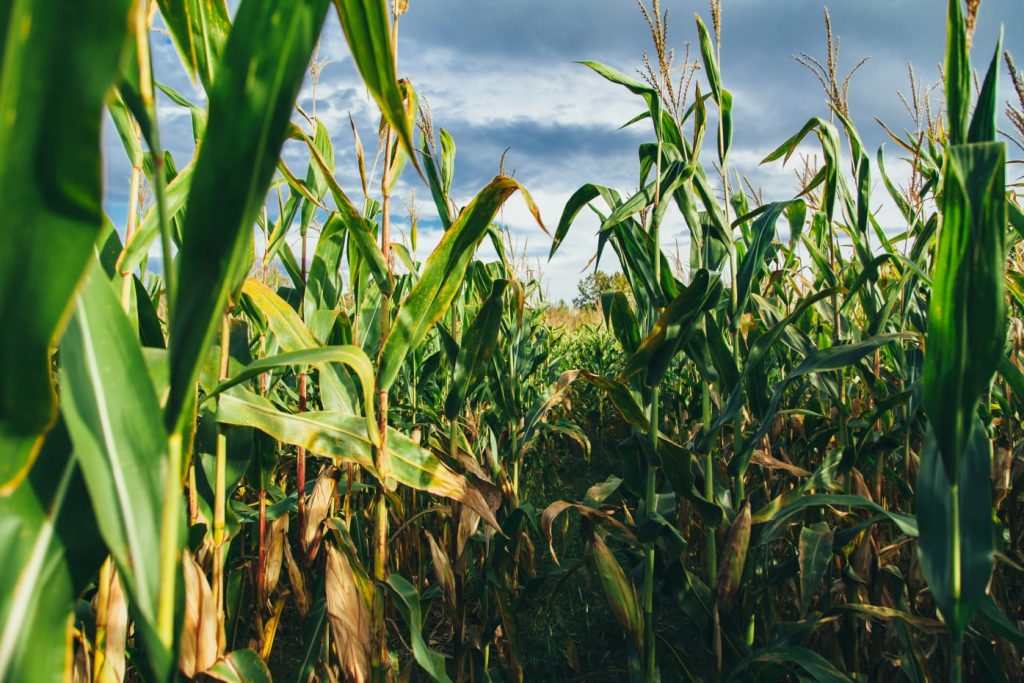
As a result, agricultural experts are advising farmers to avoid overreliance on short-season crops and instead plan their production based on seasonal climate forecasts.
Beyond agriculture, health experts are warning that heavy rains could create conditions favourable for disease outbreaks, especially in informal settlements and areas with poor drainage and inadequate infrastructure.
According to Dr. Muita, diseases such as cholera, malaria and dengue fever are likely to increase if preventive measures are not taken.
Historical records show that some of the world’s most destructive El Niño events occurred during the 1876–1878 “Super El Niño”, as well as during major events in the 1980s, 1990s and early 2000s.
Scientists now believe that the 2026 event could rank among the strongest since reliable global records began in 1950.
Forecasts indicate an 80 percent probability that the phenomenon will reach peak intensity between October and December 2026.
Although Dr. Muita believes many countries have already begun preparing for El Niño, he emphasizes that preparedness must continue at both national and household levels.
“Heavy rainfall can bring significant benefits, including replenishing water resources,” he says. “But without proper planning, it can also result in flooding, crop losses, disease outbreaks and widespread economic disruption.”
As climate variability continues to intensify, experts say that early preparation, timely information and community resilience will be essential in reducing the impacts of what could become one of the strongest El Niño events in more than seven decades.