In Kajiado County, Kenya, farmers are turning to modern farming methods to cope with the effects of climate change and improve food production.
At Ngong Veg Farm, Collins Odhiambo is among the farmers working to increase crop yields and improve the quality of produce for local and international markets.
“We grow different crops including broccoli, baby corn, chilli, cucumbers, and other vegetables mainly for export,” says Odhiambo.
According to him, climate change has become a major challenge in recent years, leading to reduced harvests and unpredictable weather patterns.
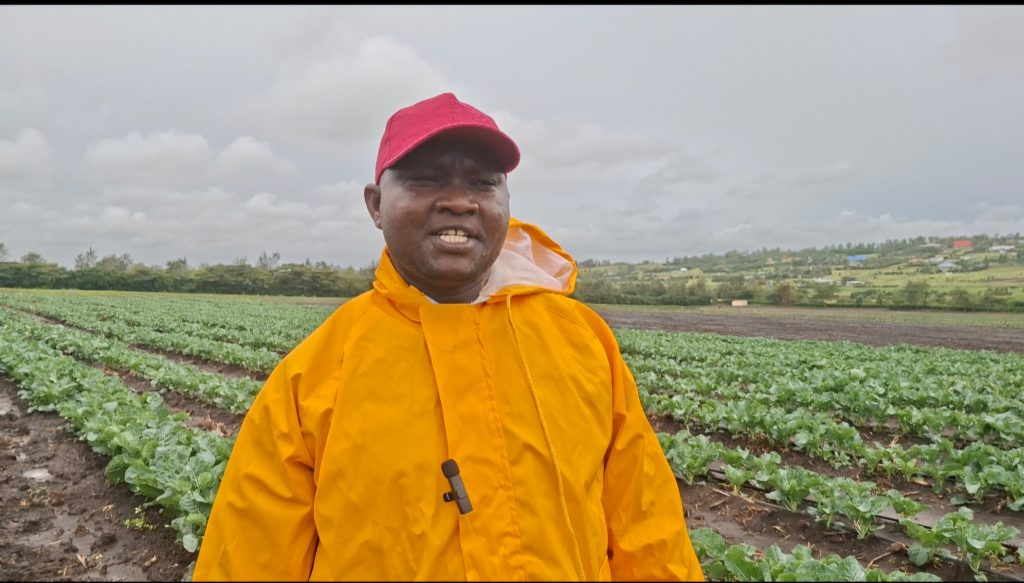
“Climate change has really affected farming. As a farm, we are trying to manage the situation by using different farming methods, including planting quality seeds that can survive harsh weather conditions,” he explains.
Kajiado County is one of the driest regions in Kenya and receives little rainfall throughout the year. This has forced many farmers to adopt climate-smart farming methods to ensure sustainable food production and improve food security.
Farm manager Victor Onzere says practices such as mixed cropping and modern irrigation have helped farmers improve yields and reduce losses caused by extreme weather.
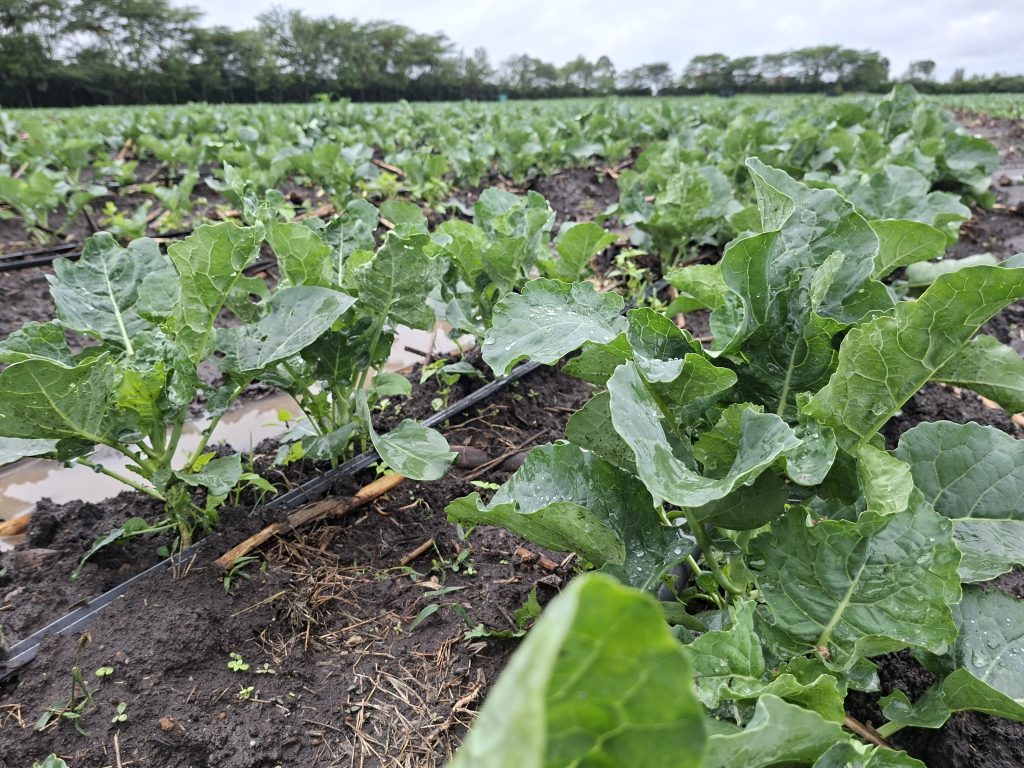
“Methods like mixed cropping and proper irrigation have helped us maintain production despite changing weather conditions,” says Onzere.
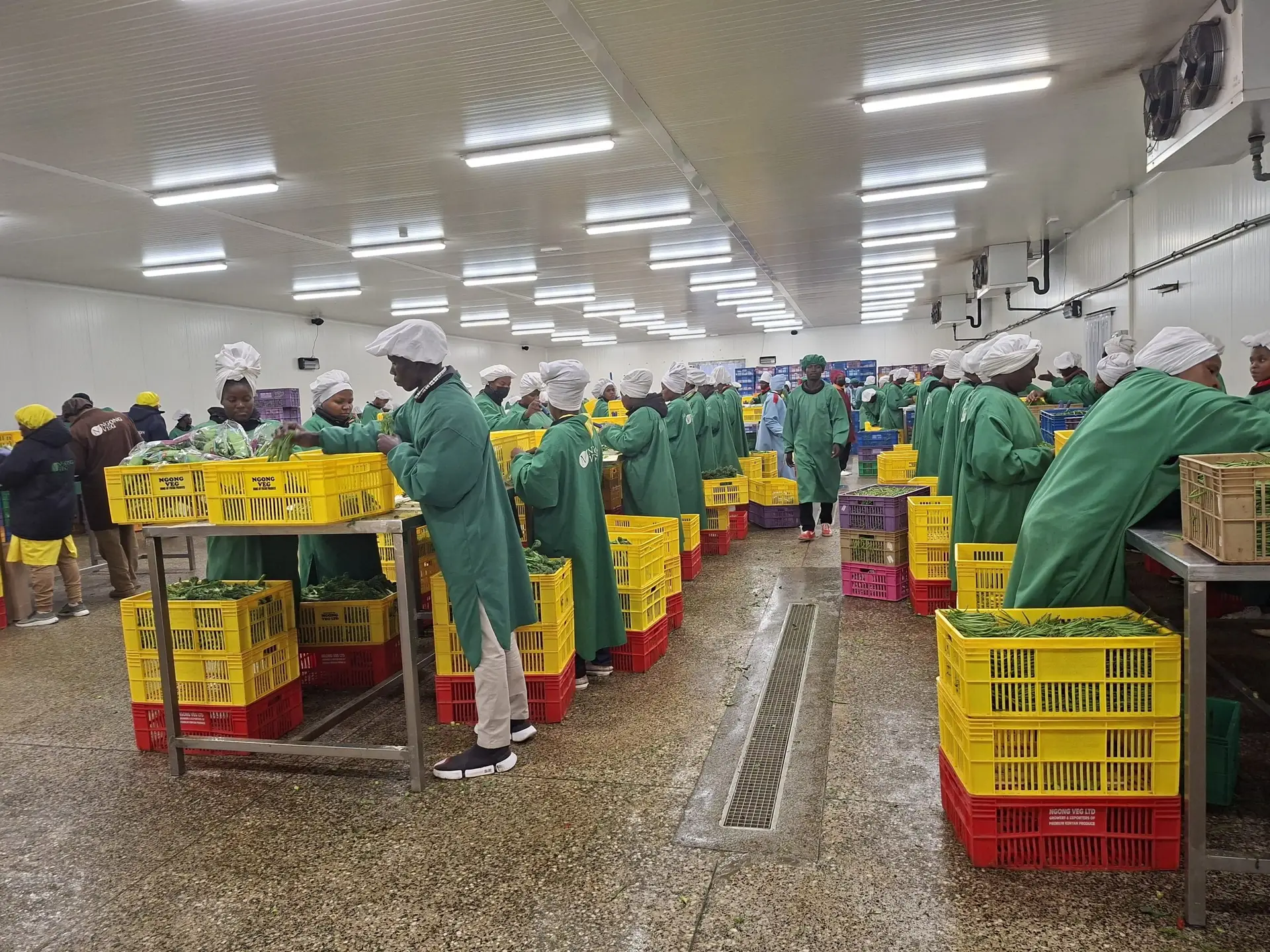
Apart from farming, Ngong Veg Farm also operates a value-addition factory where crops are processed and prepared for export markets.
“I work as a grader here. I sort and pack French beans into 200-gram packets before they are taken to the cold room waiting for transport to the airport for export,” says Brenda Nabwire, one of the workers at the factory.
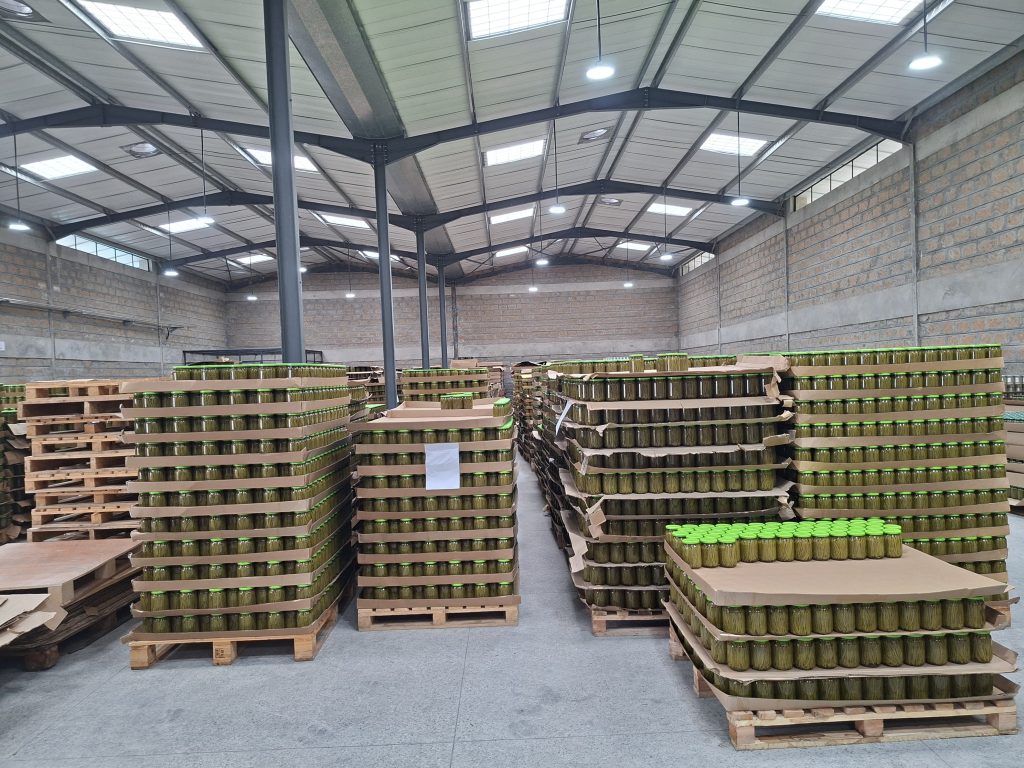
In recent years, many Kenyan farmers have embraced value addition as a way of adapting to climate change while increasing their income. Agricultural experts say processing farm produce helps reduce post-harvest losses and improves access to both local and international markets.
As farmers continue to develop innovative ways to deal with climate change and improve their livelihoods, stakeholders are calling on governments and organizations to strengthen policies that support sustainable agriculture and environmental protection.