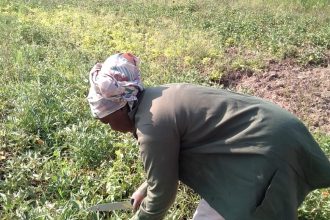
For decades, families in Nachukwu Village along the shores of Lake Turkana survived on fishing and livestock keeping.
Today, many are abandoning fishing nets for drip irrigation systems as climate change reshapes livelihoods across northern Kenya.
Erratic weather patterns, prolonged droughts, and rising lake waters have disrupted fishing grounds, destroyed homes, killed livestock, and pushed communities to search for new ways to survive.
“When the lake levels rose, the fish moved to shallow waters toward the Ethiopian side,” says Francis Angole, a resident of Nachukwu Village and member of the Green Turkana Initiative.
“Fishing grounds disappeared, boats sank, and families lost their source of income almost overnight.”Angole says the lake expanded by nearly one kilometre in some areas, swallowing shorelines, homes, and small businesses.
Strong winds also destroyed houses near the lake, leaving many families displaced.
The effects have gone beyond livelihoods. According to Angole, drought and competition over scarce resources have fueled insecurity and social distress in the region.
“My brother-in-law was killed during cattle raids while trying to escape drought conditions,” he says.
“Climate change is no longer just about the environment. It is about survival.”
With fishing becoming unreliable and livestock dying from repeated droughts, many households are now turning to climate-smart agriculture to feed their families.
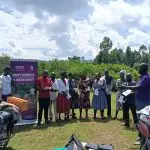
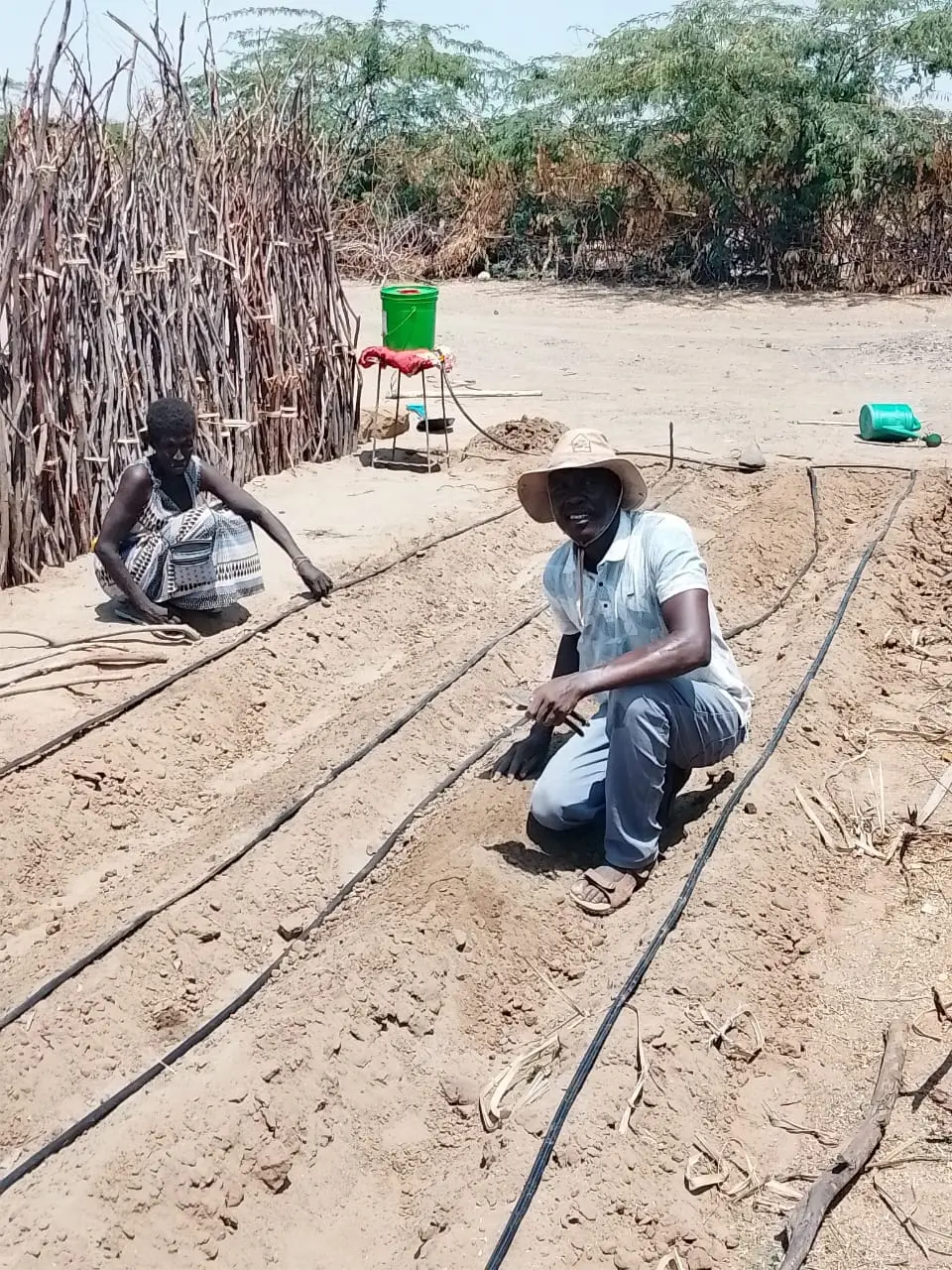
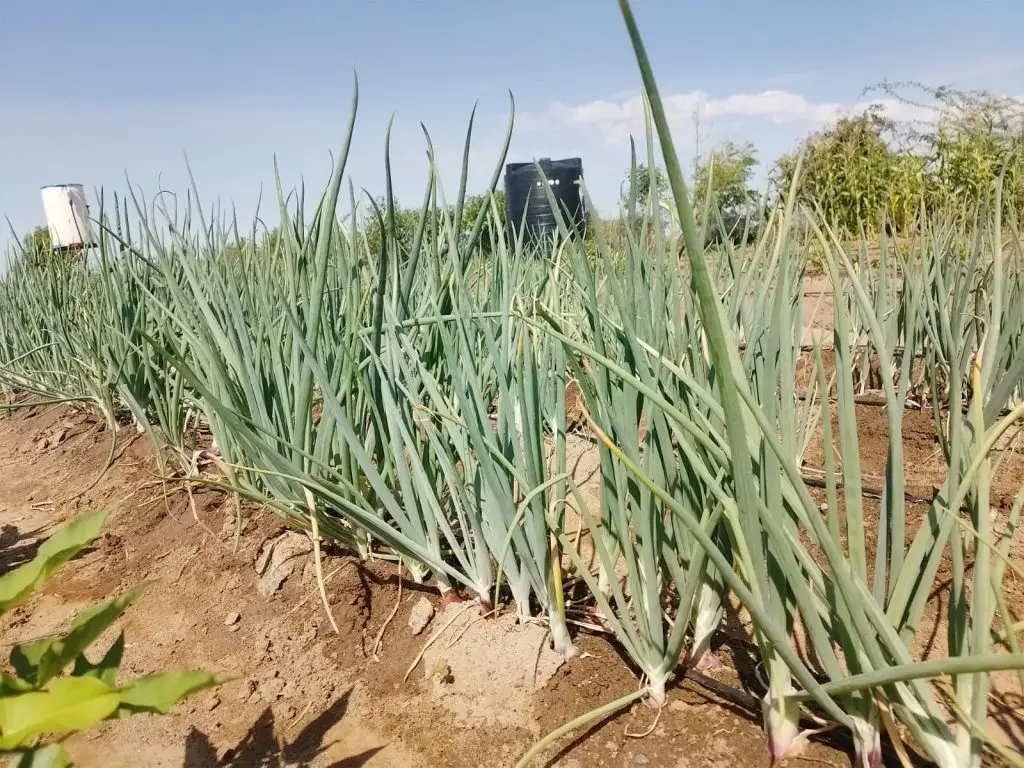
Through the Green Turkana Initiative, supported by the African Population and Health Research Center (APHRC), communities have introduced a low-cost irrigation technology known as the Family Drip System.
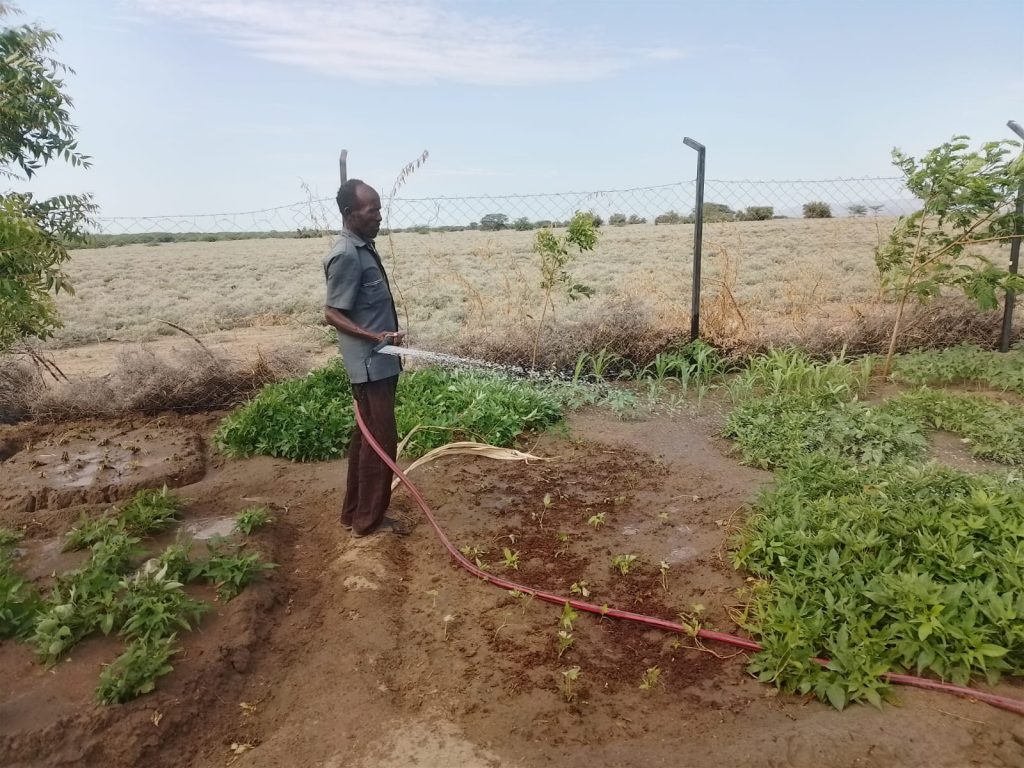
The system pumps underground water into elevated storage tanks and distributes it through drip irrigation pipes, allowing households to grow crops using minimal water.
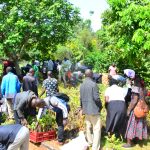
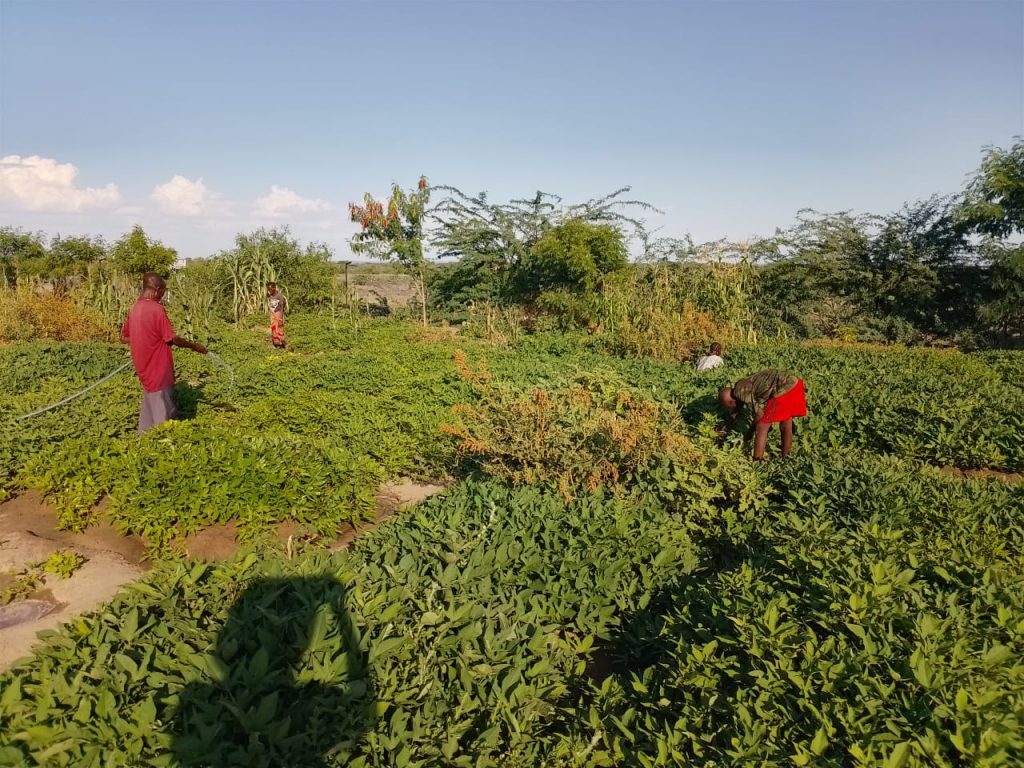
“We are now growing vegetables such as amaranth, cowpeas, dodo, murere, watermelon, and orange-fleshed sweet potatoes,” Angole says.
“It has improved food security for many families.”
The project also promotes organic farming using locally produced manure instead of chemical fertilizers, helping farmers reduce production costs while improving soil health.
The transition reflects a wider shift taking place across Kenya’s arid and semi-arid lands as communities adapt to worsening climate shocks.
Findings from the Visibilize for Climate Action project by APHRC show that droughts and failed rains have become the new normal across Turkana, Samburu, and Laikipia counties.
According to Esther Anono, a Research Officer at APHRC, more than 97 percent of households surveyed in Turkana reported experiencing at least one major climate shock within the past year.
“In every 10 households, at least eight have experienced a climate shock recently,” she explains.
The study found that repeated droughts have devastated livestock production and rain-fed agriculture, leaving millions vulnerable to hunger and malnutrition.
Nearly 97 percent of households in Turkana were found to be food insecure, while acute malnutrition among children reached 17 percent.
As traditional livelihoods collapse, families are increasingly relying on small-scale farming, beadwork, basket weaving, casual labour, and food aid to survive.
In Samburu, some pastoralists are shifting to drought-resistant livestock such as camels and hardy goat breeds
In Laikipia, households are investing in kitchen gardens, irrigation, and rainwater harvesting.
Researchers warn, however, that community coping mechanisms alone are no longer enough.
“Many households eventually run out of food reserves and depend on markets, food aid, neighbours, or credit from local shops,” Anono says.
Poor infrastructure, especially bad roads in northern Kenya, continues to limit access to markets, healthcare, and agricultural support services.
The study also found that indigenous wild foods traditionally used during drought periods are disappearing because of environmental degradation and climate stress.
“Wild foods have always acted as survival buffers during droughts, but many species are now disappearing,” Anono says.
Dr Elizabeth Kimani Wambui Murage, Senior Research Scientist at APHRC and lead of the Visibilize for Climate Action project, says researchers are studying how climate change is affecting food systems, nutrition, and livelihoods in dryland communities.
The project combines scientific research, digital storytelling, and community engagement to understand how climate change is reshaping everyday life in northern Kenya.
“We are trying to understand what the future will look like if current trends continue,” Dr Murage says.
Working with partners such as the World Agroforestry Centre and PELUM Kenya, the programme is supporting agroecology, drought-resistant crops, agroforestry, and resilient farming systems to help communities adapt.
Researchers are now calling for greater investment in irrigation, water harvesting, drought-resilient agriculture, biodiversity restoration, and stronger food systems to protect vulnerable communities.
“Climate change is already here with us,” Dr Murage says. “The question now is how we help communities adapt and build resilience for the future.”